.png)
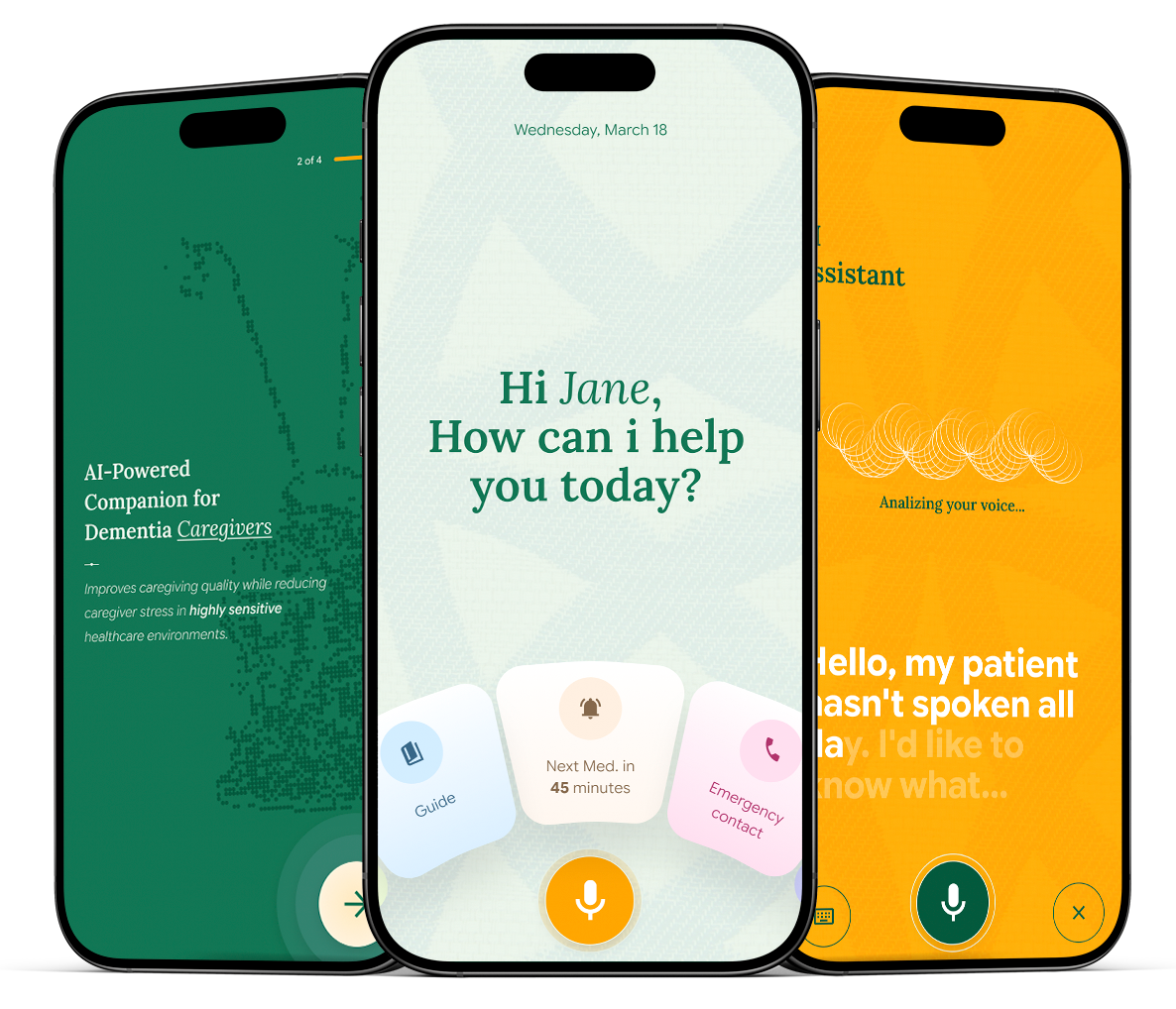
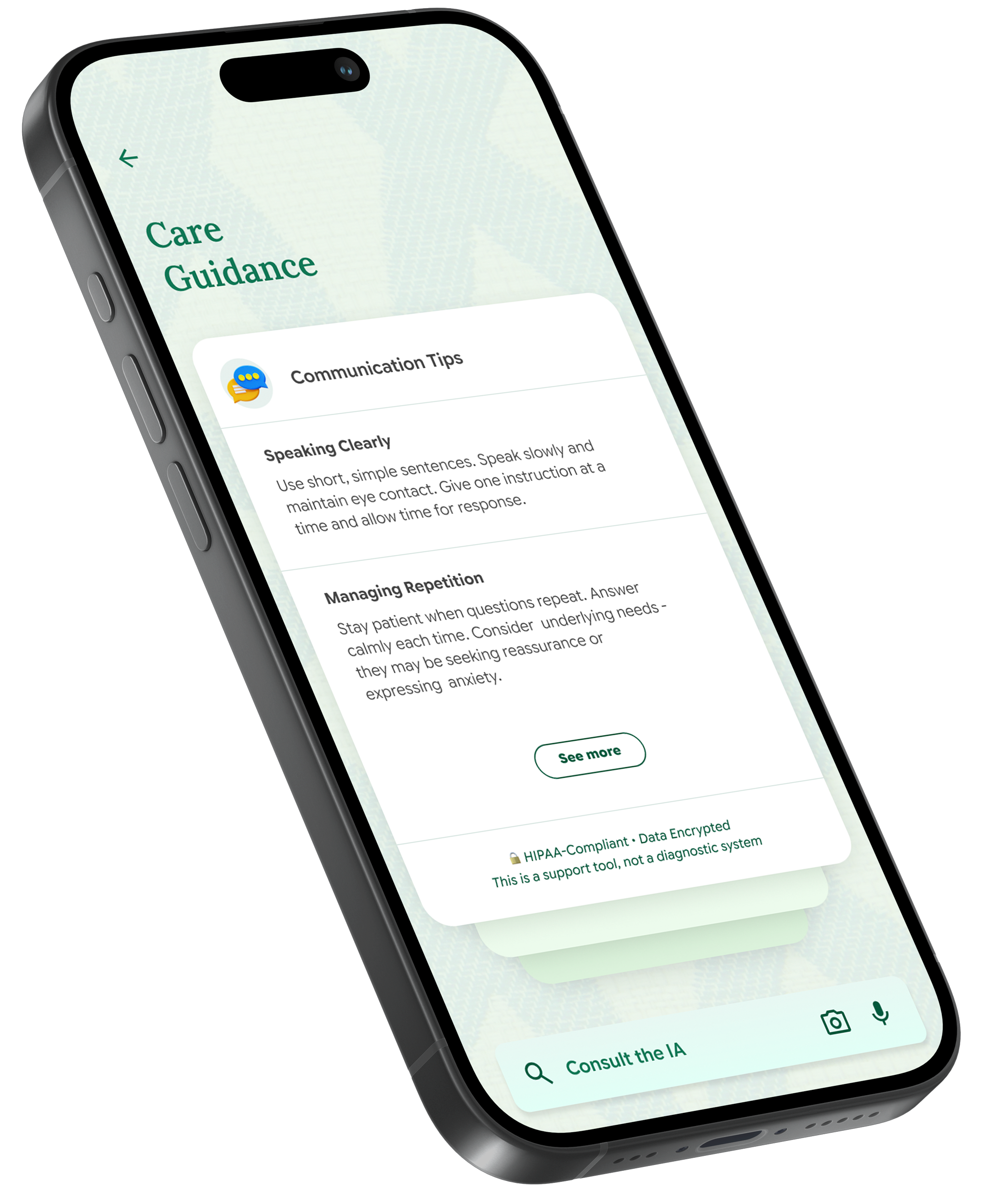
Foonkie Monkey developed an AI-powered mobile companion designed to support dementia caregivers with real-time guidance, medication reminders, and emotional support tools.
The system was built under HIPAA-compliant architecture to securely handle Protected Health Information (PHI) while ensuring the AI operated strictly as a non-diagnostic support system.
The goal was to improve caregiving quality while reducing caregiver stress in highly sensitive healthcare environments.
Dementia caregivers often operate in high-stress situations where small mistakes can have serious consequences.
Missed medications, incorrect responses to agitation, and caregiver burnout are common challenges that directly affect patient well-being.
Designing an AI assistant for this environment required balancing helpful guidance with strict regulatory and ethical constraints. The system needed to support caregivers without being interpreted as a medical decision-making tool.
Foonkie Monkey designed a secure AI-powered mobile platform that provided contextual caregiving support through conversational interactions and automated reminders.
Key capabilities included:
• Real-time behavioral guidance through conversational AI
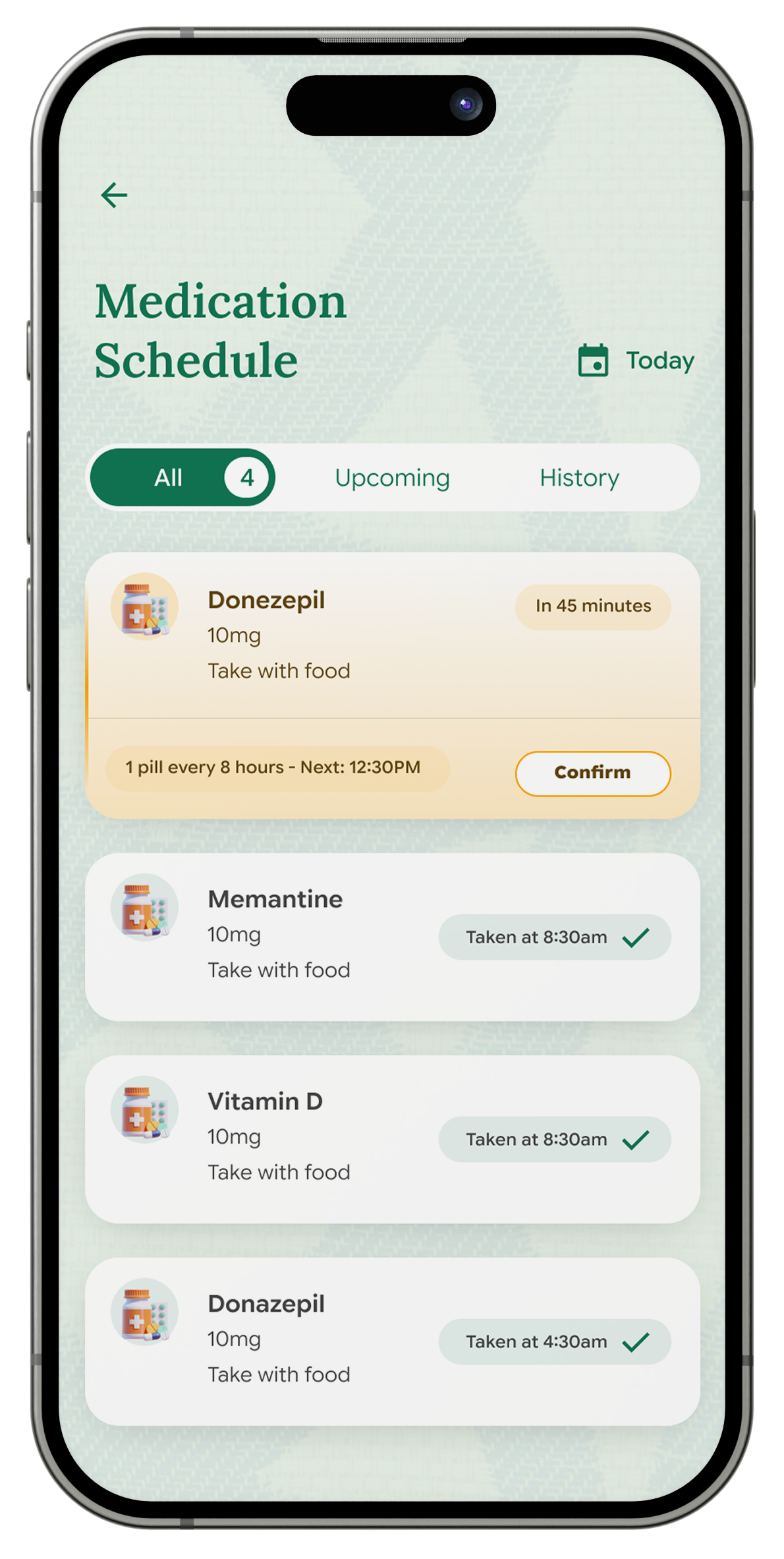
• Medication reminders and adherence tracking
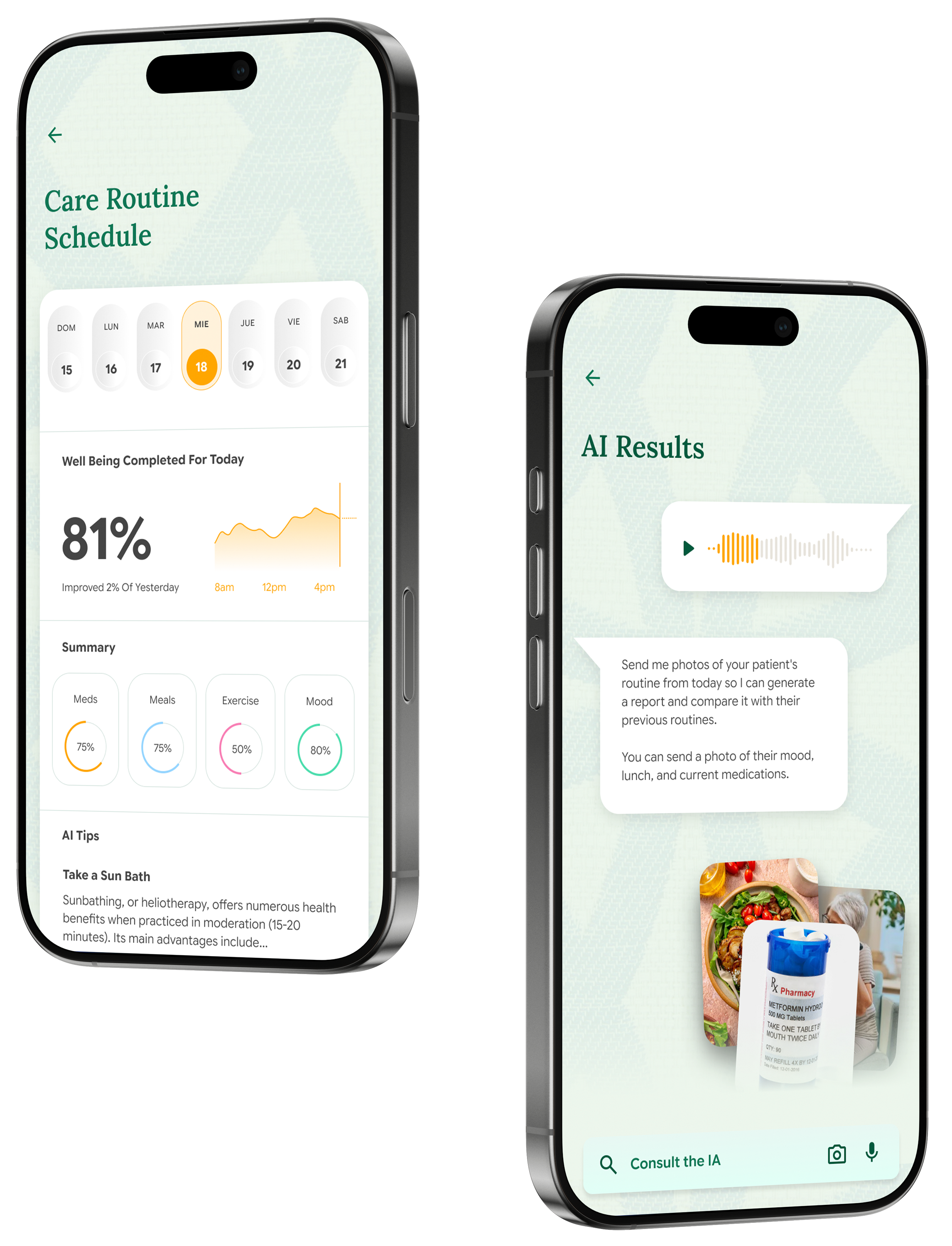
• Care routine scheduling and alerts
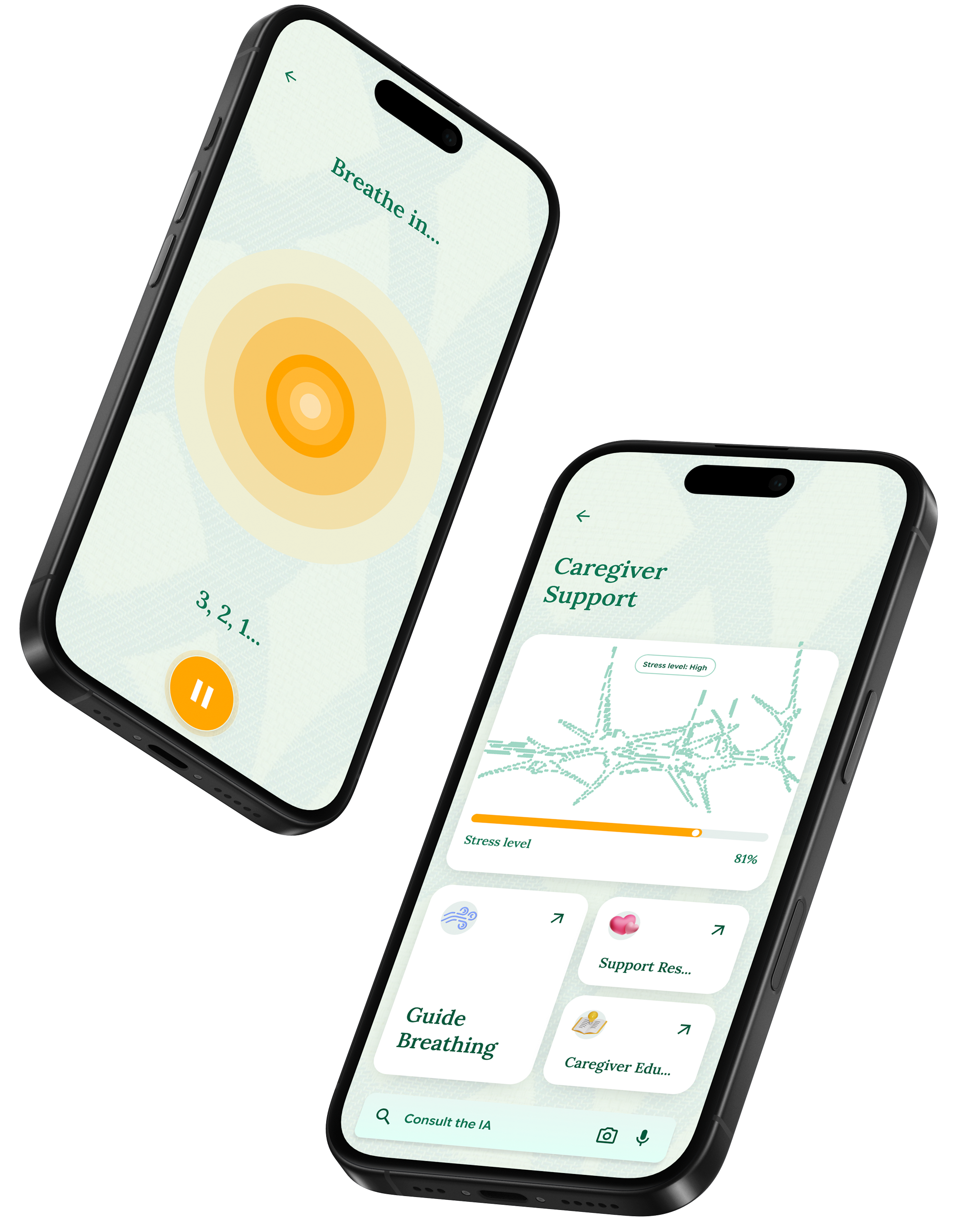
• Emotional well-being check-ins for caregivers
• Pattern recognition for behavioral triggers
Strict safety guardrails ensured the AI only provided supportive guidance and never replaced professional medical advice.
The platform significantly improved caregiver engagement and support quality.
• 62% increase in caregiver engagement within the first 90 days
• Improved medication adherence rates
• Reduced caregiver stress signals
• Increased daily active usage
• Positioned the product for partnerships with memory care clinics and assisted living facilities
Healthcare AI systems must operate within strict legal and ethical boundaries.
This project required combining HIPAA-compliant infrastructure, emotionally intelligent conversational design, and strong AI guardrails to ensure caregivers received helpful support without introducing clinical risk.